
Planting Schemes for Shaded Woodland Gardens
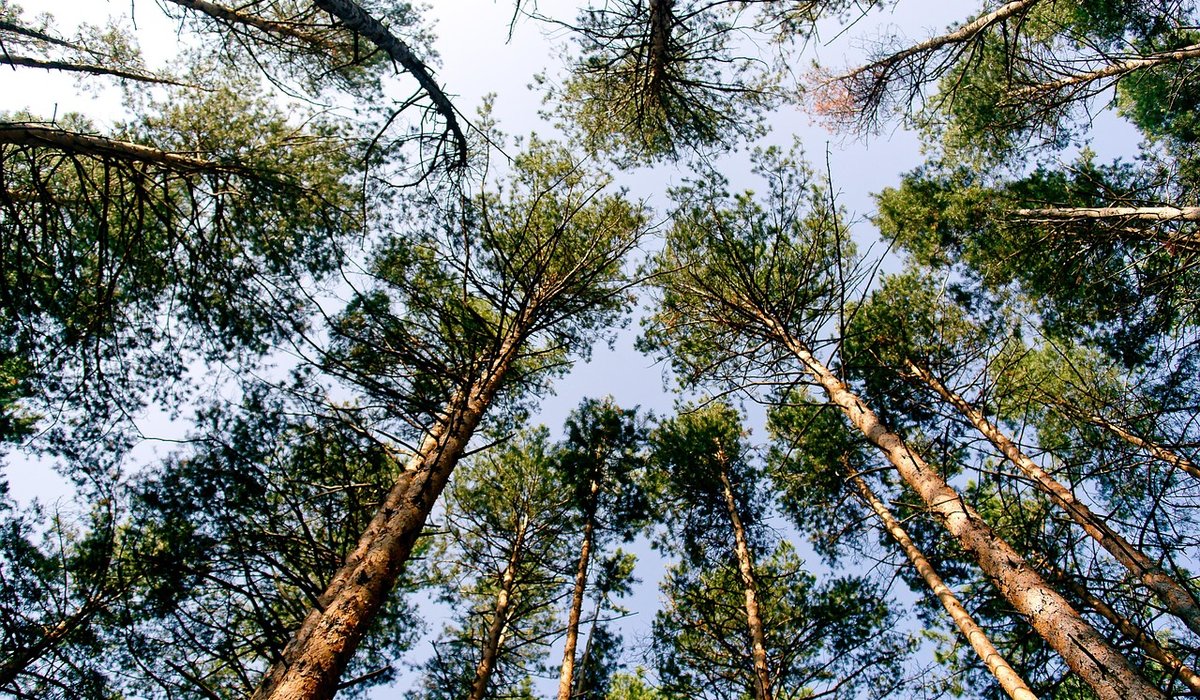
Dappled shade is one of the most generous conditions a British garden can offer. Where sunlight filters through a canopy of hornbeam, field maple or mature oak, the light is soft enough that the ground stays cooler, retains moisture for longer, and supports a community of plants that simply refuse to thrive in full sun. Rather than fighting shade or resigning yourself to bare soil, the trick is to build your planting in layers — the way a wood does it — and to choose species that evolved beneath trees in the first place.
Read the Shade Before You Plant
Not all shade is equal, and the difference matters more than any plant list. Dappled shade, the kind that moves across the ground as branches shift, suits the widest range of woodland plants. Deep dry shade under dense evergreens or a thick beech hedge is far tougher, and only the most drought-tolerant species will settle there. Moist shade near a north-facing wall or alongside a stream is the richest of the three, and here ferns and hellebores will grow almost too well.
Check your soil too. Most woodland plants want a humus-rich, slightly acidic to neutral loam that never dries out completely. If your soil is thin, compacted or heavy clay, spend a season improving it with well-rotted leafmould and garden compost before planting. Leafmould is the single best investment you can make in a shady border — it mimics the natural woodland floor, holds moisture, and feeds the soil life that keeps everything else healthy.
Ferns: the Backbone of a Woodland Border
Ferns give structure, texture and a sense of age. They also ask for very little once established. Plant them as the middle and lower layers, using their arching fronds to hide the fading foliage of spring bulbs later in the year.
- Dryopteris erythrosora (Japanese shield fern) — copper-pink new fronds that age to deep green, evergreen in mild winters.
- Polystichum setiferum (soft shield fern) — native, tolerant of dry shade, and wonderfully varied in form.
- Athyrium filix-femina (lady fern) — best in moist shade, where it will self-sow gently.
- Matteuccia struthiopteris (shuttlecock fern) — needs damp soil but delivers dramatic vertical form.
Interplant them with native woodland grasses such as Melica uniflora or sedges like Carex pendula for a looser, more natural feel. Ferns are also excellent wildlife habitat: their dense crowns shelter frogs, beetles and overwintering insects, and birds will pull at the fronds for nesting material.
Hellebores for Winter and Early Spring
Hellebores are the workhorses of the shaded garden, flowering from December through April when almost nothing else is offering nectar. Helleborus niger (Christmas rose) and Helleborus foetidus (stinking hellebore) are both superb, but the garden hybrids — Helleborus × hybridus — give you the widest colour range, from slate purples to soft creams.
Plant them where you will see them from a window, since their flowers nod downwards. A gentle slope or a raised pocket of soil helps. Cut back the old foliage in late winter so the flowers are visible and to reduce the spread of leaf spot. In return, you will get seedlings appearing nearby in a few years, which you can move around the garden or pass on to neighbours.
Native Bulbs and the Spring Carpet
Bulbs are how a woodland garden earns its keep in spring. They flower while the canopy is still bare, then die back as the leaves close overhead — a rhythm that asks for almost no watering and no feeding.
- Galanthus nivalis (snowdrop) — plant in the green in February for the best establishment.
- Narcissus pseudonarcissus (native daffodil) — smaller and more graceful than most garden varieties.
- Anemone nemorosa (wood anemone) — slow to spread but worth the patience, forming drifts in time.
- Hyacinthoides non-scripta (native bluebell) — avoid the Spanish hybrid, which dilutes native populations.
- Fritillaria meleagris (snake's head fritillary) — perfect for a damp, grassy patch.
- Cyclamen hederifolium — flowers in autumn, then leaves through winter, bridging the seasons.
Plant bulbs in informal drifts rather than neat rows, and let them naturalise. Resist the urge to tidy the dying foliage — it is feeding next year's flowers.
Layering for Wildlife and Lower Maintenance
A well-layered woodland planting does its own pest control, holds its own moisture and looks after itself far better than a flat border. Aim for a canopy layer if you have the space, a shrub layer of Viburnum opulus, Corylus avellana or Rosa canina, a fern and hellebore layer, and a ground layer of bulbs and low groundcover such as Pulmonaria, Geranium macrorrhizum or Asarum europaeum.
This structure is what wildlife responds to. Early hellebore nectar feeds queen bumblebees emerging from hibernation. Bluebells and wood anemones sustain early solitary bees. Fern thickets give amphibians damp cover. Fallen leaves and undisturbed leaf litter support the invertebrates that feed blackbirds, robins and wrens.
It also cuts your watering dramatically. Shade plus a mulch of leafmould plus dense ground cover equals soil that stays cool and damp through a dry July. Water new plantings through their first two summers, then step back. After that, the only routine jobs are an annual mulch in autumn, a light tidy of hellebore foliage in late winter, and the pleasure of watching the whole thing knit together.
tag: Landscape

James Whitcombe Author
Clear defensible zones, store fuel safely, and plan escape routes to reduce wildfire risk in remote wooded locations during dry spells.
YOU MAY ALSO LIKE
Fire Safety Considerations for Remote Woodland Properties
Jul 10
10Fallen leaves quickly block gutters and gullies, so schedule regular clearing, inspect downpipes, and check ground levels around the building.
read more
Maintaining Gutters and Drainage in Leafy Locations
Jul 8
10An art studio benefits from north light, robust floors, and flexible storage, all arranged to minimise disruption to surrounding trees and habitats.
read moreTreehouses
-

ERRIC CATONA
Protected species and habitat surveys may be required before work begins, so early advice helps avoid delays and informs sensitive design.
May 19, 2016 at 5.12 pm
Reply
ERRIC CATONA
Assess light, root spread, and prevailing winds before fixing a treehouse platform, so the structure supports tree health and long-term safety.
May 19, 2016 at 5.12 pm
Reply -
ERRIC CATONA
Plan a compact cabin around essential zones, using modest footprints, efficient insulation, and simple joinery to reduce material waste and energy demand.
May 19, 2016 at 5.12 pm
Reply
Timber Homes
Your email address will not be published.